7 Manipulative Designs Regulators Are Targeting
Regulators are fining 7 dark patterns in 2026: pre-checked consent, hidden fees, hard-to-cancel flows, confirmshaming, trick questions and more.

Regulators are fining 7 dark patterns in 2026: pre-checked consent, hidden fees, hard-to-cancel flows, confirmshaming, trick questions and more.
Most CIPA wiretap demand letters over session replay and tracking pixels are avoidable: load no trackers until the visitor clicks Accept. Here is how.

A padlock is not proof HTTPS works. Mixed content loads resources over HTTP and old TLS versions get rejected by browsers. How to find and fix both.
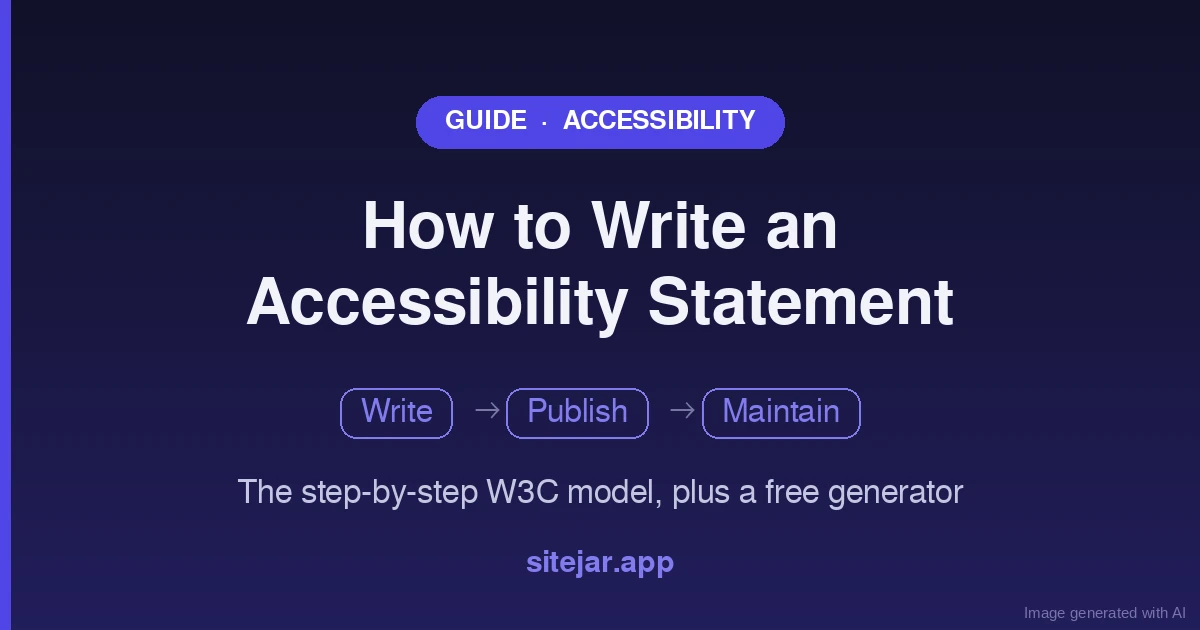
An accessibility statement names your WCAG target, how you tested, known gaps and a contact route. How to write one with the W3C model, step by step.
Web accessibility got worse in 2026 for the first time in six years, and WebAIM points at AI-assisted coding. Why it happens and how to catch it early.
No. In 2025, 38.5% of businesses sued over accessibility already had a solution installed, and the FTC fined an overlay vendor $1M. What lowers your risk.
No, but they are changing. Google kept third-party cookies, yet Global Privacy Control is now legally binding in 12 states. What the future of consent means.
Low color contrast fails on about 84% of sites. You need 4.5:1 for normal text and 3:1 for large text. How to find every failing pair and fix it on-brand.
95.9% of the top million home pages fail WCAG in 2026, the first regression in six years. Average errors, the 6 issues behind 96% of them, and lawsuits.
The FTC click-to-cancel rule was vacated in July 2025, but ROSCA, Section 5 and state laws still apply, and Amazon paid $2.5B. What to do in 2026.
Security headers block whole classes of attacks with no app changes, yet under 25% of sites run a real CSP. The 2026 checklist: strict CSP, HSTS and more.
Duplicate IDs, unclosed tags and misplaced ARIA: small bugs a browser hides and a screen reader exposes. Why valid markup and accessibility are one problem.